Four years ago, I awoke in Vermont to the news that the President of the United States of America was Donald Trump. I am not American, but my heart sank. I walked the streets of Burlington confused about how it had come to this. The Clinton signs were everywhere. But, I was in Vermont. It was a false sense of security. A few days later we were due to drive to New York City, for our 'might not get a chance to visit again' weekend away. It inspired this piece of writing, which I now want to share as we wait for the results of the 2020 election. Good luck, USA.
Rachel Henson is a writer with a background in animal care and conservation. She writes whenever she experiences something that encourages her to open her notebook. This normally happens outdoors. She took a break from studying after finishing a BSc in Biology in 2010, and has recently completed her MA in Travel and Nature Writing with Bath Spa University. This blog was originally created to document a year spent living in the Bornean jungle. Twitter: @Rachelhenson
Wednesday, 4 November 2020
Not My President
Labels:
2016 election,
2020 election,
Bernie Sanders,
Election,
mourning,
NYC,
President Trump,
Protest
Monday, 6 July 2020
The Village is Alive
“It’ll be a nightmare in the summer…”
Moving to the main road in a popular holiday village seemed like a good idea back in the winter. I was excited but knew I would be muttering by Easter. The busy times would be worth it for the quiet colder months and having a castle at the end of the road. I was mentally prepared for a chaotic Easter weekend. Every year, bank holiday traffic snarls around the bottom of the castle, backing up at the traffic lights when kids hit the button and run on to catch up with their families. Apologetic parents wave a ‘sorry’ to the drivers without making eye contact. Sweaty cyclists and grannies with ice-creams crowd outside the bakery, seeming not to notice that the tarmac they are standing on is actually a road. Sun-creamed bodies decorate the steps of the memorial, waiting for friends and relatives to come out of the National Trust shop with bags of sweets and postcards. The beer garden at The Greyhound is full, and confused punters saunter out in front of vehicles to try the Bankes Arms opposite. The garden there is nicer, if they can find a space, with views of steaming engines pulled up at the station on the heritage railway line. We all complain about the grockles, but we’d miss them if they didn’t come. During the sunny months, their pocket money keeps the village alive.
That’s how Corfe Castle should be on a warm Easter weekend. The village needs it, and looks forward to it, with a dreaded fondness. This year it is not to be. Along with the rest of the country we are in lockdown. There are reports of second homeowners coming to the area for the weekend, but most are keeping a low profile, trying to avoid the wrath of scared locals on social media. Purbeck Police upload daily photos of deserted beauty spots, having waved stern fingers at anyone thinking that tourist hotspots would be good places to socially distance in.
I sit on the balcony at the back of my flat and listen. There should be noises from the ruined castle. Jousting displays, children dressed up in medieval outfits, “Look Dad! I’m at the top!”. But the only moving objects are the Herdwick sheep, pottering quietly on the hillside. In front of the castle is the church. It should be full of Easter song, “Christ the Lord is risen today!”, but St Edward’s stands empty. The pennant of St George hangs limply in the breeze, as two jackdaws jostle on the flagpole. A sign on the door reads “All services are suspended”.
This is the best viewpoint to watch dogs on their walks, window shopping for a moment in the future when I can have one of my own. There are almost as many dogs as villagers, and they bound across the field in pursuit of tennis balls all day. There’s a morning labradoodle, a pair of lunchtime terriers and a willowy afternoon whippet. But even dogs are in short supply. Many of them have vulnerable humans trying to stay at home, fearful of the awful virus that’s causing this period of springtime hibernation. Creaky swing chains normally interrupt my quiet time, but not now. The playpark is padlocked. No fun to be had today.
I am lucky though. Despite everything, I have company. Starlings have been making a nest in our roof, and one will not shut up from his perch on top of the telegraph pole. He’s not the only one. His call joins that of a great tit, and a song thrush on the other side of the playing field. Someone provides percussion with a drill in their back garden. A wood pigeon hoos its breathy vocals, but I can’t spot it, nor the owner of a soft voice on the phone to a relative, somewhere through an open window to my right. I hope the lady downstairs is alright, but she seemed nervous of me last time I checked. Two weeks ago, she held a strong opinion that “it’s only a flu”. They weren’t going to stop her going out to the Co-op. I suspect that may have changed now, as the daily press conferences on Radio 4 seep up to us through the floor, their urgent messages muffled by carpet. Food deliveries have started to appear, and visitors have stopped. The birds are still invited though, and she keeps her feeders topped up. I watch a young blue tit as it clings to the mesh, pecking crumbs of peanuts whilst ignoring the sparrow on the other side. I hope they bring as much comfort to her as they do to me.
It’s hard to avoid seeing images of busy hospital wards, and exhausted nursing staff in inadequate protective equipment. My anxiety rises with the death toll, accompanied by upset and frustration at not being able to visit friends and family. Vulnerable friends are at the forefront of my mind. Staring at the news on my phone screen makes it worse, so I’m replacing it with staring out at the village. A bumblebee detours past the balcony before dipping back down to something tastier in someone’s garden. The more I look, the more there is to see, and it’s clear that although the grockles may not be here for Easter, the village is still very much alive.
First Published in The Thinking Pen
Moving to the main road in a popular holiday village seemed like a good idea back in the winter. I was excited but knew I would be muttering by Easter. The busy times would be worth it for the quiet colder months and having a castle at the end of the road. I was mentally prepared for a chaotic Easter weekend. Every year, bank holiday traffic snarls around the bottom of the castle, backing up at the traffic lights when kids hit the button and run on to catch up with their families. Apologetic parents wave a ‘sorry’ to the drivers without making eye contact. Sweaty cyclists and grannies with ice-creams crowd outside the bakery, seeming not to notice that the tarmac they are standing on is actually a road. Sun-creamed bodies decorate the steps of the memorial, waiting for friends and relatives to come out of the National Trust shop with bags of sweets and postcards. The beer garden at The Greyhound is full, and confused punters saunter out in front of vehicles to try the Bankes Arms opposite. The garden there is nicer, if they can find a space, with views of steaming engines pulled up at the station on the heritage railway line. We all complain about the grockles, but we’d miss them if they didn’t come. During the sunny months, their pocket money keeps the village alive.
That’s how Corfe Castle should be on a warm Easter weekend. The village needs it, and looks forward to it, with a dreaded fondness. This year it is not to be. Along with the rest of the country we are in lockdown. There are reports of second homeowners coming to the area for the weekend, but most are keeping a low profile, trying to avoid the wrath of scared locals on social media. Purbeck Police upload daily photos of deserted beauty spots, having waved stern fingers at anyone thinking that tourist hotspots would be good places to socially distance in.
I sit on the balcony at the back of my flat and listen. There should be noises from the ruined castle. Jousting displays, children dressed up in medieval outfits, “Look Dad! I’m at the top!”. But the only moving objects are the Herdwick sheep, pottering quietly on the hillside. In front of the castle is the church. It should be full of Easter song, “Christ the Lord is risen today!”, but St Edward’s stands empty. The pennant of St George hangs limply in the breeze, as two jackdaws jostle on the flagpole. A sign on the door reads “All services are suspended”.
This is the best viewpoint to watch dogs on their walks, window shopping for a moment in the future when I can have one of my own. There are almost as many dogs as villagers, and they bound across the field in pursuit of tennis balls all day. There’s a morning labradoodle, a pair of lunchtime terriers and a willowy afternoon whippet. But even dogs are in short supply. Many of them have vulnerable humans trying to stay at home, fearful of the awful virus that’s causing this period of springtime hibernation. Creaky swing chains normally interrupt my quiet time, but not now. The playpark is padlocked. No fun to be had today.
I am lucky though. Despite everything, I have company. Starlings have been making a nest in our roof, and one will not shut up from his perch on top of the telegraph pole. He’s not the only one. His call joins that of a great tit, and a song thrush on the other side of the playing field. Someone provides percussion with a drill in their back garden. A wood pigeon hoos its breathy vocals, but I can’t spot it, nor the owner of a soft voice on the phone to a relative, somewhere through an open window to my right. I hope the lady downstairs is alright, but she seemed nervous of me last time I checked. Two weeks ago, she held a strong opinion that “it’s only a flu”. They weren’t going to stop her going out to the Co-op. I suspect that may have changed now, as the daily press conferences on Radio 4 seep up to us through the floor, their urgent messages muffled by carpet. Food deliveries have started to appear, and visitors have stopped. The birds are still invited though, and she keeps her feeders topped up. I watch a young blue tit as it clings to the mesh, pecking crumbs of peanuts whilst ignoring the sparrow on the other side. I hope they bring as much comfort to her as they do to me.
It’s hard to avoid seeing images of busy hospital wards, and exhausted nursing staff in inadequate protective equipment. My anxiety rises with the death toll, accompanied by upset and frustration at not being able to visit friends and family. Vulnerable friends are at the forefront of my mind. Staring at the news on my phone screen makes it worse, so I’m replacing it with staring out at the village. A bumblebee detours past the balcony before dipping back down to something tastier in someone’s garden. The more I look, the more there is to see, and it’s clear that although the grockles may not be here for Easter, the village is still very much alive.
First Published in The Thinking Pen
Thursday, 21 May 2020
Oystercatchers at Middle Beach
A dozen birds potter on the shoreline. Their piercing calls give them away, as a group of five split off and fly over the water towards the carpark and dunes behind the beach. The others stay put. One stands upright, his rusty feet leaving impressions on a carpet of damp seaweed, cushioning the boulder that raises him up above the water. If it wasn’t for the white feathers on his belly reflecting from the sea, it would be difficult to spot his black shape in the shadows of the cliff. The waves lose their force by the time they lap at the base of the rock, but they’re enough to make him teeter backwards when the bubbles come towards him. Their feet can stand the cold water, but it’s winter and it’s chilly, even on the south coast.
More of his companions take to the air, on the same route as the first flock, but he stays behind with one other bird. He peers at her, but she pays no attention, not yet ready to depart. The rocks are sheltered at the end of the beach, where trees lean over to watch them feed from above. The high tide forms a slither of calm, cutting them off from the hubbub of half term children, the sand and the cafĂ©. The oystercatcher isn’t on holiday, he’s a resident, and humans trampling his lunch spots make it harder to have a good meal. He probes at the ground with his beak, trying several places before he finds what he’s looking for. The cold morning breeze is starting to pick up causing the rockpool to ripple. His feathers react excitedly.
A cue, imperceptible to me, causes him to leave. Perhaps an offensive splash, perhaps fed up of the early chiff-chaff’s chatter, or perhaps he just has somewhere else to be. His friend follows suit, smart black and white wings cutting through the milky sky, orange beaks ‘meeping’ their way over oblivious humans.
Labels:
birds,
Oystercatcher,
Studland
Monday, 23 March 2020
Puffin on the Edge
Spreading his wings to stabilise himself, the persistent wind tries to prise their bold black tips from the cliff-face. Wrenching grass from the ledge on this sheer drop, the gannet collects precious nesting material.
For another, it’s time to go. Pushing off from the rock, wings spread, she seems to have no fear of falling as she slides through the snowstorm of seabirds without hitting a drop.
The puffin perches nearby. Her wings must beat 400 times per minute to fly. Goodness knows how she got up here, but here she stands in her orange wellies. Her nearest companions are two razorbills who converse loudly, seeming not to have noticed her. With no other puffins to chat with, she calmly surveys the ruckus, preening a silky black wing with her striking beak.
A less respectful razorbill flies up to land on her narrow ledge. Her five minutes of peace are over, and she launches down into the wind, as the newcomer makes himself at home.
A slightly larger puffin spots a friend on an exposed outcrop and decides to join them. Waddle, waddle, hop. Over the shrubbery. He stabilises himself above her and they both look out to sea. She leans forward, just a fraction, then springboards away from the cliff-city. Flap, flap, flapping over the waves. Unperturbed, he stays where he is. His colourful beak stands out amongst the razorbills. In a few minutes she returns, landing with her feet flat against the rock. It was a lot of effort just to land a little higher up, but her flat feet aren’t well designed for scaling a cliff face.
Happier now with her position, she begins to preen. Head nuzzling under her wing, she curves her neck impossibly back to reach her tail feathers. She raises her wings up and gives them a quick shake before resuming the plump puffin on a rock position. It suits her well, and there she stays as a squadron of gannets flies past the abandoned site of RAF Bempton.
Labels:
Bempton Cliffs,
birds,
Coast,
RSPB
Friday, 20 March 2020
Chiffchaff
The path is empty as I leave the village. Walking away from ‘the virus’, socially distancing myself, searching for the sanity of nature.
Great tits cover feeders, undisturbed by visitors in the carless castle carpark. Standing in the stillness, I breathe. Surrounded by branches draped in lime lichens, anxiety sinks into the mud with my boots.
“Chiff chaff, chiff chaff, chiff chaff!”
There it is! The world stops as spring completes its arrival. No matter that crinkled leaves still cling to the stubborn oak, unbothered by our increasingly mild winters. I catch a glimpse of the bird in question as its silhouette flits above. Its needlepoint beak stands out against the steamy sky. It leaves me here alone. The year is moving on.
As first published in: Writes of Spring
Great tits cover feeders, undisturbed by visitors in the carless castle carpark. Standing in the stillness, I breathe. Surrounded by branches draped in lime lichens, anxiety sinks into the mud with my boots.
“Chiff chaff, chiff chaff, chiff chaff!”
There it is! The world stops as spring completes its arrival. No matter that crinkled leaves still cling to the stubborn oak, unbothered by our increasingly mild winters. I catch a glimpse of the bird in question as its silhouette flits above. Its needlepoint beak stands out against the steamy sky. It leaves me here alone. The year is moving on.
As first published in: Writes of Spring
Labels:
birds,
chiffchaff,
spring
Sunday, 1 March 2020
Wildcat
I saw a human today. He must have been at least a deer and a
half tall. I don’t think he was carrying a Bang, but I couldn’t be sure. I
don’t trust them either way. I remember a story my brother told me, about the
time he watched one take down a stag. We were still kittens. His pale eyes
widened as his breath warmed my ear against the night chill. He told me not to
tell mum, as he’d snuck out further than the fallen tree. It was out of sight
of the den, something we weren’t to do until we’d grown up enough to hunt for
ourselves. He may have made it up completely, but I believed him. I knew he’d
be a powerful cat when we were older. I haven’t seen him for a while. Watching
the human rummage in his pack took me back to the den. Memories of family
security crept out of my present anxieties. It ended with us both being washed,
forcibly, with mum ignoring my insistence that I prefer my ears dirty.
It makes you think though. Humans fight without a struggle. They just lift up the Bang and with a bone-jolting crack, they win. You never see them hungry, but you never see them eat their catch either. In all the seasons I’ve pawed this land, I’ve never seen a human wet his canines with a kill. They must have a cache of uneaten remains to come back to later. They surely wouldn’t waste anything. I’ve seen skinny ones, but never one that is starving or sick. They’re always in their prime, even the old ones. It defies all natural logic.
The one I saw this evening wasn’t hunting. He was sat on a rock at the forest’s edge, doing nothing useful. He wasn’t asleep, but almost stationary. In his hand was pre-packaged prey, but it had halted half-way to his mouth. He seemed distracted, his eyes not quite focussed, gazing back towards the mountain. He’d left it behind earlier in the day, like most of them do when they visit these parts. But unlike the others, there was no urgency to leave, despite dusk falling. Most vanish before this hour, I assume heading back to the warmth of their dens. A pang of hunger shot through my belly as the breeze carried teasing particles of the pseudo-hunt’s prize, which landed all around me, tickling the inside of my nose. Or it may have been the midges. It’s hard to tell some days.
He couldn’t see me from where I crouched. Fur on end, rock still, muscles taut. He showed no interest in anything nearby, myself included. But although I sensed the danger was low, I remained ready to dart at the first sign of trouble. The evening was progressing, and although I ached to hunt for myself, I daren’t risk being spotted. I had to wait him out. I’ve never been noticed, and I intend to keep it that way. I had considered patrolling the other side of my range tonight, and I cursed myself for coming this way. There’s good rabbiting over to the east, towards the loch. It’s never as fruitful here, amongst the trees.
Their trunks stood guard in the summer duskiness. It’s unusual to see a human at this hour. You can usually smell them before you see them, particularly after the sun’s peak, whilst they’re busy descending from that of the mountain. Their scent triggers something different inside me. It’s not like picking up a scat, an indicator of a friend or foe that I might know. In their case, the message is always to be wary. Their scent marking is at its weakest on the way up, and more pungent on the descent. Something must change in them, up there in the sky. Perhaps it’s the something that draws them upwards. There must be good hunting up there. But it’s not for me, there’s far too many open stretches.
The new generation’s opinions are split. There are some with their heads screwed on the right way around, who keep their distance from anything that lacks the appropriate number of legs. It’s the wisest way to be, if you ask me. Not that anyone often does. You can observe them to your heart’s content, but keep out of their way. There are rumours circulating that they are doing their best to bring civilisation to an end. As far as I’m concerned, if it’s just theirs, then it’s no problem. But leave the rest of us out of it. We’re doing just fine. I’ve seen the wreckage they leave behind when they’re left to do their own thing. Felled trees, debris that entangles the finest birds, and even intentional traps. Once seen, those images never leave you.
Other young cats can’t see the trees for their whiskers. I’ve lost count of the number of times I’ve heard the stories. My mother’s sister had a litter of eight. There’s two we’ll never see again, but not from natural causes. It’s far worse than that. They’ve intentionally left us behind. They’re not fussy on that side of the family, not with prey or mates or, well, anything. The rumour is they’ve mixed with domestics. It won’t stop there though, the next thing you know, we’ll all be expected to curl up on rugs and and abide by their rules. I don’t know why they can’t see it. There are fewer of us now. I don’t know the numbers, but the old generation still purr of a time when we prowled through these mountain forests, leaving whole vole cities quaking as our paws shuddered the earth. Now they say we face extinction. It’s something I can’t comprehend. All I know, is that I rarely see anyone new in my territory. There’s no need for the legendary battles they used to talk about, whilst we lay curled together in the den. No fighting for the land. It’s all mine if I want it now, for what it’s worth. Even that won’t be much consolation if I don’t find a female to mate with soon. There are a few with a decent set of stripes on them, but bumping into them is getting harder and harder. It’s too late for me this year anyway. A kitten wouldn’t survive the winter. I’ll have to look again after the solstice.
Still, it doesn’t help to be gloomy. The human didn’t hurt me this evening. He didn’t even notice my presence, despite his very existence prickling all of my senses. It was all I could manage to stop my strong tail flicking as it wanted to. I fought the urge, so it wouldn’t give the game away. He finished staring at the midge-speckled sunset as his shadow grew across the fallen twigs. Hauling his home up onto his back, he left. As he did so, he raised one hand up to his ear. It stood out eerily, illuminated with a soft glow in the darkening wood. He mewed quietly to himself, as if he were talking to one of his kind, but he was alone. It will always baffle me how such strange creatures manage to do so well out here, whilst the most stealthy and intelligent of us dwindle on the foothills. I stretched my legs, and stepped out into the night, which was arriving as quickly as he departed.
First published by Scottish Mountaineer, Issue 86, Winter 2020
It makes you think though. Humans fight without a struggle. They just lift up the Bang and with a bone-jolting crack, they win. You never see them hungry, but you never see them eat their catch either. In all the seasons I’ve pawed this land, I’ve never seen a human wet his canines with a kill. They must have a cache of uneaten remains to come back to later. They surely wouldn’t waste anything. I’ve seen skinny ones, but never one that is starving or sick. They’re always in their prime, even the old ones. It defies all natural logic.
The one I saw this evening wasn’t hunting. He was sat on a rock at the forest’s edge, doing nothing useful. He wasn’t asleep, but almost stationary. In his hand was pre-packaged prey, but it had halted half-way to his mouth. He seemed distracted, his eyes not quite focussed, gazing back towards the mountain. He’d left it behind earlier in the day, like most of them do when they visit these parts. But unlike the others, there was no urgency to leave, despite dusk falling. Most vanish before this hour, I assume heading back to the warmth of their dens. A pang of hunger shot through my belly as the breeze carried teasing particles of the pseudo-hunt’s prize, which landed all around me, tickling the inside of my nose. Or it may have been the midges. It’s hard to tell some days.
He couldn’t see me from where I crouched. Fur on end, rock still, muscles taut. He showed no interest in anything nearby, myself included. But although I sensed the danger was low, I remained ready to dart at the first sign of trouble. The evening was progressing, and although I ached to hunt for myself, I daren’t risk being spotted. I had to wait him out. I’ve never been noticed, and I intend to keep it that way. I had considered patrolling the other side of my range tonight, and I cursed myself for coming this way. There’s good rabbiting over to the east, towards the loch. It’s never as fruitful here, amongst the trees.
Their trunks stood guard in the summer duskiness. It’s unusual to see a human at this hour. You can usually smell them before you see them, particularly after the sun’s peak, whilst they’re busy descending from that of the mountain. Their scent triggers something different inside me. It’s not like picking up a scat, an indicator of a friend or foe that I might know. In their case, the message is always to be wary. Their scent marking is at its weakest on the way up, and more pungent on the descent. Something must change in them, up there in the sky. Perhaps it’s the something that draws them upwards. There must be good hunting up there. But it’s not for me, there’s far too many open stretches.
The new generation’s opinions are split. There are some with their heads screwed on the right way around, who keep their distance from anything that lacks the appropriate number of legs. It’s the wisest way to be, if you ask me. Not that anyone often does. You can observe them to your heart’s content, but keep out of their way. There are rumours circulating that they are doing their best to bring civilisation to an end. As far as I’m concerned, if it’s just theirs, then it’s no problem. But leave the rest of us out of it. We’re doing just fine. I’ve seen the wreckage they leave behind when they’re left to do their own thing. Felled trees, debris that entangles the finest birds, and even intentional traps. Once seen, those images never leave you.
Other young cats can’t see the trees for their whiskers. I’ve lost count of the number of times I’ve heard the stories. My mother’s sister had a litter of eight. There’s two we’ll never see again, but not from natural causes. It’s far worse than that. They’ve intentionally left us behind. They’re not fussy on that side of the family, not with prey or mates or, well, anything. The rumour is they’ve mixed with domestics. It won’t stop there though, the next thing you know, we’ll all be expected to curl up on rugs and and abide by their rules. I don’t know why they can’t see it. There are fewer of us now. I don’t know the numbers, but the old generation still purr of a time when we prowled through these mountain forests, leaving whole vole cities quaking as our paws shuddered the earth. Now they say we face extinction. It’s something I can’t comprehend. All I know, is that I rarely see anyone new in my territory. There’s no need for the legendary battles they used to talk about, whilst we lay curled together in the den. No fighting for the land. It’s all mine if I want it now, for what it’s worth. Even that won’t be much consolation if I don’t find a female to mate with soon. There are a few with a decent set of stripes on them, but bumping into them is getting harder and harder. It’s too late for me this year anyway. A kitten wouldn’t survive the winter. I’ll have to look again after the solstice.
Still, it doesn’t help to be gloomy. The human didn’t hurt me this evening. He didn’t even notice my presence, despite his very existence prickling all of my senses. It was all I could manage to stop my strong tail flicking as it wanted to. I fought the urge, so it wouldn’t give the game away. He finished staring at the midge-speckled sunset as his shadow grew across the fallen twigs. Hauling his home up onto his back, he left. As he did so, he raised one hand up to his ear. It stood out eerily, illuminated with a soft glow in the darkening wood. He mewed quietly to himself, as if he were talking to one of his kind, but he was alone. It will always baffle me how such strange creatures manage to do so well out here, whilst the most stealthy and intelligent of us dwindle on the foothills. I stretched my legs, and stepped out into the night, which was arriving as quickly as he departed.
First published by Scottish Mountaineer, Issue 86, Winter 2020
Labels:
Fiction,
Scotland,
Scottish Mountaineer
Monday, 3 February 2020
I will Definitely go for a Walk Tomorrow...
‘If I can just get to my days off, then I can get out and go for a walk.’
This is the lie I’ve been telling myself for several days. Each morning, rattling my way to work with an ever-increasing grumble from the driver’s side rear wheel, I’ve been one day closer to the weekend. The myth that keeps up its pretence is that once I reach these magical days off everything else on the to-do list will disappear and I can spend 48 unadulterated hours roaming in the countryside and writing the next nature writing masterpiece. I’ve always been an optimist.
This morning came without much warning. I was asleep, and then I wasn’t. The clock was ticking before my brain had caught up with my slowly focussing vision, and had a chance to re-join the real world in action. It was already starting to slip by, this precious and mysterious entity.
I thought it wouldn’t hurt to read a little before I got up. It would surely inspire me for my own work. I read for longer than I should have, and half the morning was no longer there. There was still plenty of time to go for a walk though, so I gathered up a bundle of orange, reds and black fabric and stuffed my work uniform into the washing machine. It wouldn’t hurt to clean the bathroom before I went out, so I did that too. Cleaning was thirsty work, so the kettle went on, emails were checked, and before I knew it lunchtime had arrived, expectantly.
One cheese sandwich later and rain lashed the windows, blurring my view of the outside world. It seemed like a good time to do a supermarket run. It would be sunny again by the time I got home, and I could finally put on my boots and get into nature.
As I rounded the first corner, my car reminded me it wasn’t happy. The creaking, clunky rattle from the back of the car couldn’t be heard any more. This would have been a good thing, if it wasn’t for the fact that the little Toyota was now roaring in pain as it produced a noise usually reserved for airport runways.
Having run out of cheese in the house, I insisted it got to the shop and back. Then made my jeans soggy as I knelt to inspect the damage in the rain. The exhaust pipe was now dangling in a theatrical manner and clearly needed attention from someone who knew what they were doing. The garage man said I could bring it straight over, so off we went.
As I caught a lift back home, the sun was preparing to go back to bed, as were the starlings flocking over the A351. They swirled and turned back on themselves, before lifting up and away from the roundabout, almost vanishing as they danced against the darkening sky. I’m sure that most of the rush-hour drivers in the drizzle wouldn’t have even noticed.
I will definitely go for a walk tomorrow.
Monday, 19 August 2019
International Orang-utan Day
The 19th August is International Orang-utan Day.
We all know, by now, that palm oil is in intensively farmed monocrop that is grown in the tropics. There are lots of people out there on social media calling for a boycott of this crop, as it rapidly increases in production in Borneo and Sumatra, the last refuges of orang-utans. Opinions are split, and the arguments on Twitter are heated and emotive. The only thing that seems certain is that it is a complex problem, without an easy solution. I've spent a lot of time reading the recent scientific papers, pondering, chatting to my colleagues and friends in the industry, and perusing the websites of organisations I trust. And the following is where I stand on the issue at the moment.
I think the best course of action for the consumer is to consider switching your products to those which include sustainable palm oil. I know some of you reading this would prefer to see a palm oil boycott, but the reality is that there is global demand for oil which will be met one way or another by the industry. Whilst we're waiting for the entire world to stop using oil crops(!), we might as well push to make what's currently in use as sustainable as possible.
As all of the alternative edible oilseed crops are less productive, a boycott would simply see a shift to an alternative which requires more land to produce.
The RSPO seem to be addressing several of the problems that have previously been highlighted with the initiative (I hear the phrases "sustainable palm oil doesn't mean anything" and "there are lots of problems with the RSPO" banded around in my line of work sometimes). It is also clear to me that a demand for sustainable palm oil (and I appreciate that a monoculture of any kind cannot be 100% sustainable) increases the motivation to improve the industry, which a boycott does not. Supporting initiatives such as the RSPO, whilst subjecting them to a healthy level of questioning and constructive criticism, pushes organisations to work together to find solutions that protect what we can whilst meeting the global demands for food and fuel.
I think it's great to make consumer choices that involve fewer processed products (which often contain oils such as palm), and choose locally sourced products for the good of the environment, and I'm in no way criticising anyone who is managing to sustain a palm-oil-free lifestyle, good on you! But I'm also supportive of any efforts to minimise the negative impacts of worldwide consumption on the environment, and aware that many of the alternative oils used in palm oil free products (and I'm talking here about something that contains an equivalent oil, not something like an apple!) are actually worse for our forests.
Labels:
Conservation,
Orang-utan,
palm oil
Wednesday, 2 January 2019
The Water Meadows
A lady stops me before I’ve even left the road.
“Just enough time to get a little walk in before it gets dark.” She smiles as if I know her. How does she know I’m going for a walk? I’m dressed the same as if I were going to the shop or the train station. What is it that labels me as walking, rather than doing something normal?
The train blares its horn where there used to be a foot crossing, the driver pointlessly obeying the command to whistle, despite there being nobody to whistle at. It might fulfil a childhood dream to blow the horn on his very own train, and he does so enthusiastically, making local residents jump in their kitchens all the way to Weymouth.
I take the footpath through the caravan site. Blackbirds, four of them, pick around the fallen leaves, hoping to surprise something tasty. Two of them leave, not pleased with my presence. The others don’t care as long as I don’t steal their dinner. I assure them I won’t.
Most of the caravans are empty, but I startle an old man filling up his water container before it starts to rain. The sky has taken on the colour of dirty sheep. It’s not as grumpy as it was during last night’s storm, but the branches still have some energy in them.
The real dirty sheep are over by Woolbridge Manor today, and alongside the path I want to follow across the water meadows. Heads bob up as the guards watch me pass, but after a second’s contemplation they return to their grass. They look up as my welly boot slides on the mud and I find myself apologising as I try to keep my balance. They scatter as my clumsy suction noises leave messy footprints along the river bank. It’s quiet on the water, but I manage to terrify a mallard whilst stopping to put on my hat. I feel like I’m messing up their evening with my nature walk.
I’m relieved for a moment to hear voices ahead, so at least it’s not only me disturbing the peace. We exchange polite hellos as they pass with a brown dog which I suspect started off white. They move on and I stop to scan the rushes on the other side of the river. Two tiny birds fly down into them before one re-emerges, fluttering up and down, slowly gaining height, then disappearing, the black spot erasing itself with increasing distance.
Angry hiccups from a moorhen float my way as I move into another field. I pick what may be my last blackberry this year, judging by the state of its friends. There’s a small bridge over the water that I want to investigate, but I’m not equipped to be out after dark today. I curse having to cut my loop short as the mud becomes tarmac again, edged with thatched cottages that nobody lives in all winter, reserved for holiday rather than home makers.
Two gunshots take me out of my thoughts. Is that the army practicing wargames on the range at Lulworth? Or is somebody hunting this evening? Neither thought is pleasant. I make one final diversion to look back over the river before going home. I’m glad I do as a kestrel hovers over the bank scanning for supper. The water is starting to lose its reflection as evening approaches and the first drops of rain merge with its surface. Just as I turn to leave something darts through the water, a tantalising splosh being the only evidence by the time my senses process the message to turn around and look. It seems the wildlife don’t want to be watched tonight.
Labels:
Nature,
Travel,
Water Meadows
Wednesday, 14 November 2018
Dogservations in Corsham
Following its canine inhabitants, writing student Rachel Henson explores Corsham on foot, and discovers parts of the village most tourists never get to see.
A wobbly dog and two ladies walk past the Deli. I jump up and follow them past Boots and left at Co-op. They enter a cafĂ© that my cheese sandwich forbids me to enter. I’m in a graveyard waiting for another dog to come along. A stone cross declares it’s sacred to the memory of the Reverend William Green, died in 1904, aged 46. Now surrounded by flowers on a thoroughfare to the supermarket.
The owners reappear with sandwiches and tea. The dog is invited to join in with neither and lies panting in the sunshine as they sit down to eat. I awkwardly try to feign an interest in the lone tree in the old churchyard, which I notice is fluttering unnaturally. A closer inspection reveals mesh ribbons and bows tied to its branches, and luggage tags twisting in the breeze. I stop one spinning:
“Be strong and never give up”.
The headstones haven’t been tended to in a long time. But there are other more recent additions besides the ribbons. High up on a wall, between a security light and the metal torture spikes set out for homeless birds, is a sign:
“Pigeons. Please don’t feed them. We love them but there are just too many and they do cause problems. We want to avoid culling.”
I’d love to know what sort of problems pigeons can cause in a ruined churchyard between a carpark and a supermarket. The sign annoys me because it’s lying. I doubt that its composer really loves pigeons. I really love my nan, and she certainly knows how to cause problems, but I wouldn’t put spikes on her favourite chair or advise not feeding her as the only alternative to culling.
A man walks past carrying a sack of compost, and cigarette smoke drifts over from a chap staring at me from inside a hi-vis jacket. I feel despairingly dog-less and walk around to the rear of the cafĂ©, noticing a fellow writer in a hedge as I do so. The gate is open to the rear of the cafĂ©. There are gravestones here too, but sombre sounds of reflection and mourning have been replaced by a clattering of plates entering the dishwasher. Wiltshire Waste Recycling blue skips sit amongst the tombstones. A ladder lays painfully across a child’s last resting place.
“Annie, beloved daughter of Arthur and Jane Holder who died September 1st 1890. Aged 14 years.”
I doubt they wanted her buried in a rubbish tip. I pick up a Fruit Shoot bottle tossed onto someone’s grave and put it in one of the skips, which is itself positioned without respect. The best I can do is tidy up a bit, then I remember I’m meant to be looking for dogs.
Yellow lines on the road seem like a plausible thing to follow whilst lacking in dogs, but eight steps later they run out underneath a silver Transit van which is parked over both them and the pavement. They turn up again after an unexplained break where I suspect the painter gave up trying to work around a parked car. This new pair of lines is smattered with white paint, which somebody has driven through before also parking up on the double yellows. Corsham’s traffic warden must be on holiday this week.
A peacock yells at me from a wall on the far side of the car park in which I find myself. It peers haughtily from an elevated position above a Biffa bin, scratches its head with its foot then stares at me until I retreat from the carpark.
Back on the high street I finally have one. A rat-sized dog attached by its lead to a mobility scooter. I can’t catch up. I speed up and the woman stops, without warning, to allow the dog to sniff some fallen leaves. I accidentally overtake and kick myself for ending up in front. I have to walk painstakingly slowly, whilst trying to look interested in in the parkland view, until correct order is restored and I’m behind my subject once more. The woman stops again, spinning her tiny buzzing motor around to glare at me over her glasses. I’ve been rumbled.
“This way, Peggy”, she demands, and scoops up the dog, depositing it into a basket before scooting off at a speed I can’t match. A corvid laughs at me from the tree above. I’m not sure whether it’s an angry crow or a grumpy rook, but they seem to find my inability to keep up with a pensioner in the sunshine most amusing.
Wednesday, 26 September 2018
Walking with the Wounded Badger Patrol
Walking at night with the Dorset Wounded Badger Patrol, naturalist Rachel Henson witnesses the controversial badger cull first hand, reflecting on the impact it has on one of our most iconic mammals.
The fields were laced with orange mist, illuminated by a Halloween pumpkin moon. The sloping fields were kept from running away by hedgerows hiding mammals and the traps laid out to catch them with. This part of Dorset was hosting a nocturnal battle for the fourth consecutive autumn. The government-led badger cull was brought in as part of an attempt to curb bovine tuberculosis, but arguments over efficiency and animal welfare rose in temperature until activists raised up from their armchairs and put on welly boots and head torches. By day these paths led dog walkers and ramblers, but during the cull the traffic changed. After the ten o’clock news, a human on these paths could be a peaceful protestor, a cull contractor with a weapon, a hunt saboteur, a police officer or a curious neighbour. For a badger, it would make the world of difference.
Lowland navigation is hard at the best of times. Map reading by moonlight is harder. Hedgerows merged into the night, distorting field boundaries. Distant landmarks couldn’t help us after dark, keeping quiet until sunrise. Every cowpat squelch or cracking leaf made my muscles tense, but not as much as the pigeons who chose flight over fight as we interrupted their sleep.
We entered the woods, sinking into land that gave way under foot, hidden by water left behind from a storm the week before. I shone my torch to the base of each tree, looking for any sign of mammalian life. The map indicated that this was Brock Farm. It couldn’t confirm the presence of badgers, but it seemed like a safe gamble. Memories of a previous outing came to mind when my torch light picked up a badger, standing still at the entrance to its sett. It didn’t leave immediately. Dipping our beams in respect we watched the badger as it decided that whatever threat we posed was minor, and turning slowly, its tail wobbled back underground behind it.
A tawny airborne steam train hooted in the distance, making me stop in my tracks. I chilled from nerves as well as my wet feet encased in no longer waterproof boots. Having recomposed myself, a barn owl barked above my head, and I started to think the badgers would be fine looking after themselves.
“I’ve got one.” Katie called from behind a bank peppered with sett holes. I scrambled closer, cursing foliage too low for my torch to warn me about, that only announced itself by smacking me on the forehead. The cage sat ugly in the amber glow. I had expected it to be shiny, but it was painted bullshit brown. The death box was tied open with baling twine, which tripped effortlessly with a sturdy stick. At the very least it wouldn’t kill anything that night. A silent text message carried away our location as I studied the trap. Either the badgers had grown wise, or this sett was already empty. Peanuts remained in the bait point, the trap untouched.
Less than a mile away, a sow dragged her bleeding body back to her sett, seeping the soil red because the free-shooter couldn’t get a clean shot. The ladies on patrol found her at the entrance, too exhausted to make it underground. At least with a trap, it should be a quick kill. But if a badger enters the trap at sunset, it has no choice but to cower there until somebody comes to shoot it after breakfast. Many of these contraptions were recalled from the vaccination trials and reissued for this year’s extended culling. Standing where a protected species was due to be shot at dawn, the cull seemed an expensive slaughter of scapegoats for a disease mismanaged by humans.
The phone screen glared in the darkness: “Thanks, will sort it.” We carried on our night walk, relieved that the trap was retiring soon. Thoroughbred Black Beauties lined the fences as we returned towards the houses. Demon eyes and Batman ears surveyed the situation. Galloping into the fog they took our secrets back to the farm, but we were gone long before they told anyone.
Labels:
animal welfare,
Badger cull,
Badgers,
Conservation,
wildlife
Friday, 31 August 2018
The Great Dorset Steam Fair at 50
Each August, The Great Dorset Steam Fair takes over the fields of Tarrant Hinton. Attracted by the largest collection of steam engines in the world, 200,000 people swarm amongst the exhibits; wellies on feet, hotdogs in hand.
The collapsed crops are faded by sun and mud, trampled by the public, rolled flat by tyres and steam rollers. In the shadow of fairground rides is an area cordoned off by an ellipse of metal barriers. Spectators perch on hay bales, cameras dangling from necks, waiting for the classic car parade. Strings of light bulbs struggle for attention in the daylight, high up on poles above the fences. Alongside the ring is a silver caravan which stands unnoticed until words begin to leave the speakers paired up on its roof.
“Good afternoon everyone, and welcome to the Great Dorset Steam Fair.”
A threshing machine continues to work, oblivious to the more modern display. Sun-hatted men stand confidently on top of the shaking wooden box, feeding straw in to the chute that begins the process of separating the grain from the chaff. A steam engine works hard to one side, the belt lazily wandering over the fast-paced flywheel. It rocks against its chocks, as eager to work now as it had been when new, when Hardy’s Tess of the D’Urbervilles took in this new technology for the first time in the Wessex countryside, over a century ago.
The phut-phut of the engine is out of time with the ABBA mega-mix exploding from a gold and red organ, adorned with angelic statuettes playing Dutch-made castanets. The exhaust of a proudly polished Austin A40 blows its heady petrol scent towards a cocktail of sausages and onion, coal smoke and dust.
“Now we move on to Number 13 in the programme, this lovely Morris Cowley 12/4 coupĂ©, restored by the current owners and used again since 2005…”
A man in a checked shirt stumbles into the crowd, drawn over to look at the car. His vision is tunnelled by multiple tankards of farm-house cider, served up in a green-canvas tent held fast by ropes that flaw its customers on the way out. He leans on the fence as the Morris purrs past, completing its lap to a wave of applause before parking up amongst the crowds of curious holiday makers, enthusiasts and eyes that light up as they exclaim in delight, “My Grandad had one of those!”
Labels:
Classic Cars,
GDSF,
Great Dorset Steam Fair,
Travel
Thursday, 12 January 2017
Awkward Moment on a Train
Those of you who know me, know how much I love trains. In theory, they are environmentally friendly, simple ways to travel. In reality, they are so expensive that it costs me twice as much as it does to drive anywhere. Over the years I've spent commuting between Cardiff and Dorset, I've been delayed by breakdowns, signal failures, hot weather, cold weather, rain, cows on the line and a malfunctioning steam train further up the line. I've sat with drunk people, funny people, creepy people, a man who re-enacts medieval battles and tells people about them on trains, and many normal people too.
There are advantages to travelling this way. One of the big ones for me is that, although it takes nearly twice as long to get to Wales as it would if I drove, I actually get a few hours of my life back. Instead of three hours concentrating on the speedy lumps of metal zooming by and the myriad of white stripes and yellow squiggles on tarmac, I can read, write, think and procrastinate on the interweb. The only time this falls through is on an extremely busy train, like the one I caught yesterday, which suddenly filled up at Bristol Temple Meads, making turning the pages of my book more difficult than it was worth. So I started people watching.
There were so many people squished on board, that for the most part, staring around the carriage was quite boring. However, the lady opposite me was absorbed in a complicated textbook with brain diagrams dotting the text. I tried to read it upside down, and failed. Something about 'resilience'. No idea. Got bored. Daydreamed a bit. Realised she was having a very important phone conversation and that I'd been bored without realising it. I was curious about her frantic scribbling of notes and really wanted to know what the book was about.
I could just ask, of course, but that sort of question has previously landed me in several hours of dire conversation with no way of escape until Southampton Central. So I chickened out. What I did do however, was Google the name she had written on her backpack in permanent marker. The Sherlock Holmes way of finding out what she was reading, or at least finding out something.
To my amazement, the result brought up an American billionaire heiress to a food company... and an art therapist with an OBE. I was just clicking on a search result which took me to Wikipedia, when her phone conversation ended, and the train jolted. Whoever she was, she had far better control of her personal belongings than I did, because whilst her phone was put neatly back into her pocket, mine leapt out of my hands and landed screen-up on the table between us, proudly displaying her own Wikipedia page.
She was good enough, or creeped out enough, not to say anything. Or maybe she was secretly pleased to get a Wikipedia hit, who knows? All I know is that it seemed an appropriate time to attempt reading my book again, I've banned myself from train travel for the foreseeable future, and I still don't know what she was reading.
Labels:
art therapy,
awkward,
backpack,
phone malfunction,
train,
wikipedia
Tuesday, 8 November 2016
The Long Trail
As the idea of walking a long distance trail burns away in the back of my mind, every path and gateway appears as an opportunity. Earlier in the year I read Bill Bryson's A Walk in the Woods, his account of attempting to walk the entire Appalachian Trail. He gave it a fair shot, but its gruelling 2,160 miles eventually got the better of him. I honestly don't think I would have got as far as he did, but still, the idea of completing a self propelled journey of a significant distance is appealing.
When I decided to come to Vermont, I knew that I would mostly be based in the city of Burlington, but budgeted for a few weekend trips in a rental car. Staring at the map or this relatively small state, it became obvious that you could reach any of its corners easily in a day trip, and that there was a nice obvious walking trail dissecting the state down the middle.
The Long Trail is the oldest dedicated long distance hiking trail in the United Stated of America. It runs 273 miles from the Canadian border in the north, down to Massachusetts, and in the southern part of the state actually joins up with the Appalachian Trail. I had to at least set foot on it.
This weekend, we headed to an obvious access point on Route 125, where the signs quite clearly labelled that we had the right trail. All we had to do was pick a direction: North or south? North had the more adventurous feel, looking like it went 'up' rather than stay on the flat. On entering the trail you need to sign in. It enters a wilderness area at this point, and I suppose the authorities want to know how many people they might have lost on the way. Only one other person had set out that day, but it wasn't too surprising considering that it was a very cold day in November and snow was falling.
We only walked for a couple of hours, due to my fingers feeling like they'd disappeared, but it was enough to re-ignite a sense of wonder. 'What would it be like to do the whole thing?' 'Could I do it?' '273 miles is a long way.' These thoughts bounced around my head as we meandered back down the rocky path towards the road. I did, however, make one decision. Nothing would be able to persuade me to walk that trail in November!
Labels:
Adventures,
Cold,
Hiking,
Long Trail,
snow,
Vermont,
Walking
Wednesday, 2 November 2016
Snow in Vermont
It's good to see that weather in New England is as changeable as it is back in 'Old' England. Fall still hasn't finished doing its thing and already we're having dustings of snow in the hills. For these parts, it's only very little, but if we had this in Dorset right now there would be people out there trying to build snowmen. It still has a novelty value for me, and it gives me an excuse to get the Cookie Monster hat out.
These were taken down at Texas Falls in the Green Mountain National Forest. I only had time for a quick potter today, but it's made me want a slightly longer expedition later in the trip. If possible, on the Long Trail. Watch this space.
Labels:
Forest,
Green Mountain National Forest,
Mountains,
Texas Falls,
Travel,
Vermont
Tuesday, 25 October 2016
Fall Foliage in Burlington, Vermont
I arrived in Burlington, Vermont on Thursday. We wanted to see the leaves changing colour, as it's meant to be spectacular over here, but we had been forewarned that we would be likely to miss it.
We were lucky this year though, fall has arrived later than normal. This was the scene in Battery Park at the weekend. Beautiful maples are decorating the floor everywhere we look, and some of the later trees are yet to turn. There are plenty of oaks that are still green in the hills.
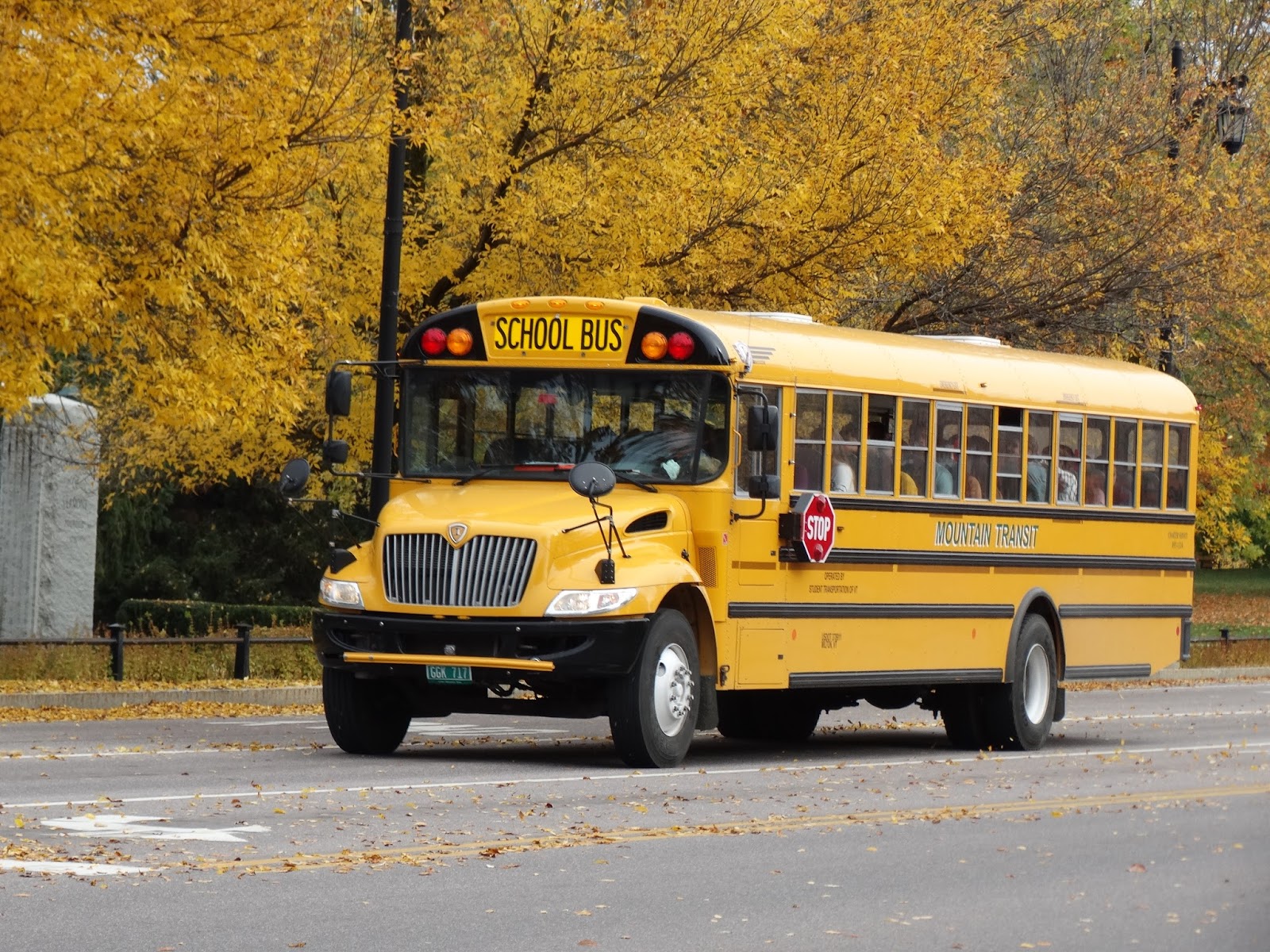
So for now, I'm just exploring the city, and appreciating the subtle, and not so subtle differences between my expectations and Vermont in the flesh. I'm relieved to see, at least, that they really do have yellow school buses over here.
Sunday, 18 September 2016
Durdle Door, Dorset Adventures
The summer's almost over. I know, it's a terrible thought. My coastal adventure to Durdle Door was supposed to be an epic after work hike to somewhere or other. It ended up being a slump on the pebbles with a book.
I guess some adventures are more strenuous than others.
Friday, 15 July 2016
Scribbles in London
I've found a coffee shop to write in. I'm waiting for my brother to get across the city and find me, but in the meantime I have tea, a notebook and an open window to watch the comings and goings of Holborn.
I wanted to steer clear of public transport after arriving in London, so I followed Google Maps and found China Town and an astrology shop where the proprietor was telling the future of a customer's five year old. She's very gifted and will go on to do great things. I also managed to acquire some semi abusive birthday cards from a quirky bookshop, so apologies in advance if you're expecting a card any time soon...
Labels:
astrology,
China Town,
Holborn,
London,
Magma,
Samoa coffee,
Tea,
Walking
Tuesday, 28 June 2016
Hiking in Dorset, Adventures from Wool
If I'm going to get anywhere near hiking the South West Coast Path I'm going to have to get prepared for it. So I planned, on a rare day off at home, to walk the coast of Portland. I'm going to have to work on my will power a little though as I woke to see torrential rain and abandoned the plan in favour of 'getting things done' at home. By two in the afternoon I was bored of that and the sun was out. The OS Map lying on top of my day pack caught my attention, and I decided a shorter walk was better than no walk at all. I would walk to Moreton and catch the train back to Wool. It was only about five miles.
It felt good to be out of the house, pack on my back, going on a little adventure. I was so wrapped up in feeling smug that initially I didn't notice the flapping noise as I walked. It sounded like I had an enthusiastic sealion accompanying me, and no amount of pulling at straps made it go away. Strangely, it slowed down when I slowed down, and sped up when I sped up. With a sense of foreboding I looked down at my feet and simultaneously tripped over them. The sole was coming off of my boot. These boots have seen me through a year in the jungle, Silver and Gold Duke of Edinburgh expeditions and countless day trips and afternoon wanderings, so it was sad to see them beaten on East Burton Road, one of the least taxing places I've ever taken them. I flopped home in a grump and put on my spares.
Even more determined to finish (or even start) my walk, I now sped off on a mission. The first few footpaths can't see much use, as the wet vegetation soaked me almost to my waist as I made my way accross the water meadows in search of Bovington. Although it had been raining it was a beautiful afternoon to be walking, and until I reached Bovington I didn't see a soul, just a pair of coots splashing around in a stream.
Moreton Forest was also quiet, and I couldn't understand why nobody else was out enjoying the woods, until the path turned into a series of lakes and I figured the locals had more sense than I'd given them credit for. I was absolutely not turning back again, so I took on the gorse-ridden banks and made stepping stones out of logs. By the time the path returned to a usable route I thought I'd mastered the situation reasonably well. I had, after all, only fallen in twice.
"I wouldn't have gone that way. Got wet feet?" asked a bearded man who obviously didn't appreciate a good adventure. But yes, I did now have wet feet, but it wasn't far to Moreton now, and there was a pub by the station. By my calculations I should be there with plenty of time to get a drink before heading home.
It's a shame that people don't seem to use pubs anymore. I can only assume that's why they have reduced opening hours in this part of the world. My little oasis was definitely closed on arrival, and there was no way I wanted to hang around for an hour at Moreton Station. the only thing at Moreton Station is a railway line and an abandoned digger. So I walked back using a different route. It was five miles and I hadn't had the privilege of a good, cold drink to spur me on. I'd already finished the emergency Dolly Mixtures (about half an hour into my journey). Things didn't look great.
The Jubilee Trail took me most of the way home, but wasn't the most welcoming route. Some charming neighbour has stuck up KEEP OUT signs which are written in a way that suggests impending doom will occur if you stray from the trail. The woods themselves were totally deserted apart from two 4x4 drivers trying to justify owning a vehicle built for off-roading that seemed as shocked as I was to meet on the trail.
I arrived home soggy and exhausted, went straight for the kettle and realised with dismay that I had exactly 34 minutes before I had to be at Air Cadets. But I had managed to fit in a ten mile walk on my day off, so there was no way they were going to be moaning to me about the prospect of an expedition this evening.
Labels:
Adventure,
Air Cadets,
Boots,
Bovington,
Dorset,
Hiking,
Jubilee Trail,
Moreton,
Walking,
Wool
Tuesday, 14 June 2016
Hiking in Dorset: Preparing for an Adventure
I've been planning for an adventure. In my head it works out perfectly. It's been simmering away at the back of my mind for nearly seven years now and it keeps creeping forward in my thoughts. It started with little wanders in the English countryside, more specifically along the coast paths. I've decided I want to be one of those crazy people who attempt the entire coast line of South West England in one go. I want to walk the South West Coast Path.
I have an idyllic picture in my mind of what my adventure will be like. Exploring tiny Cornish fishing villages, camping up on clifftops overlooking the ocean, having deep and meaningful conversations with the locals. In reality I have enough hiking experience to know that it will definitely rain for most of the trip, I will get blisters half a mile from the start point and I'll be fed up of carrying my makeshift home like an exhausted tortoise by lunchtime. On finishing my final Gold Duke of Edinburgh Expedition several years ago, I distinctly remember trudging down a sodden hillside towards Brecon. My knees had aged by 60 years, I couldn't stand the whinging of my team mates any longer and would happily have murdered any of them if someone had offered me cider and a dry jumper in return. That was after four days of hiking. If I do the South West Coast Path, I think I could do it in 45 days, if luck is on my side along the whole route.
I've mentioned this wanderlust to my boyfriend at every opportunity. To start with he was up for coming along, but that was when it wasn't likely. Over the years, my yearning to complete the task has increased, as has his concern that I might actually be mad enough to try it.
"Do you remember when you wanted to climb that mountain in Scotland?"
Yes, I remembered it well. It is worth mentioning that he is totally at home in the mountains. He actually enjoys the 'going up' bit, whereas I'm all for looking up at the pointy stuff, and down at the views, but can happily leave out the strenuous slog in the middle. I had been very excited about walking up a mountain with him.
"You hated it."
That's a bit strong. It wasn't my most enjoyable experience but it had its merits as everything does.
"After ten minutes you were too hot and grumpy and wanted to go back to the car."
I had to interject here. The only reason I was so hot was because I couldn't take my waterproofs off. The midges were trying to kill me. I challenge anyone not to get grumpy when a tiny bunch of assassins are out to suck the very life from you as you earnestly attempt to walk up a hill.
I could see his point though, sometimes I do bite off more than I can chew.
Labels:
Adventures,
Hiking,
Planning,
Preparation,
Scotland,
South West Coast Path
Subscribe to:
Posts (Atom)